Principal Investigator

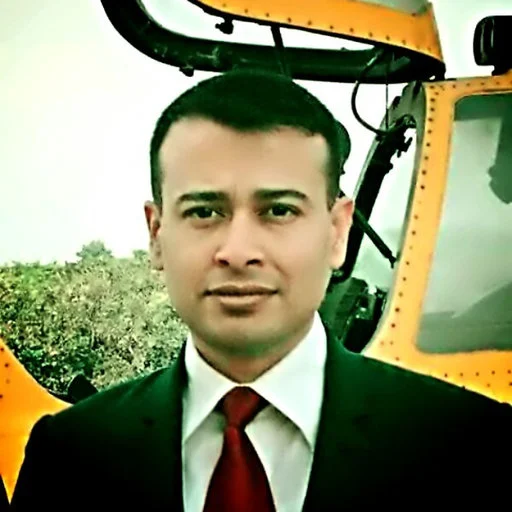
Hussain Nyeem photo

Hussain Nyeem

PhD in Computational Intelligence and Signal Processing | Professor (Associate) at Military Institute of Science and Technology, Bangladesh
Dr. Hussain (Md. Abu) Nyeem is an Associate Professor in the Department of EECE at MIST, Bangladesh. He received his Ph.D. in EECS from QUT, Australia (2014, High Distinction) and a B.Sc. in ECE from KUET, Bangladesh (2007). His research focuses on image processing, particularly in biomedical image analysis, visual information protection, and vision-based decision systems. He has led the Visual Information Processing Lab at MIST since 2015, publishing over 40 peer-reviewed papers and receiving multiple best paper awards. Dr. Nyeem is a Senior Member of IEEE, Fellow of IEB, and Academic Editor of PLOS ONE.

Assistant Principal Investigator

Md. Abdul Wahed photo

Md. Abdul Wahed

Master of Science in Electrical Electronics and Communication Engineering | Assistant Professor at Military Institute of Science and Technology
Md. Abdul Wahed received his M.Sc. in EECE from the Military Institute of Science and Technology (MIST) in 2019 and his B.Sc. in EEE from Rajshahi University of Engineering & Technology (RUET) in 2013. He currently serves as an Academic Instructor at the Department of EECE, MIST, and the Bangladesh Military Academy (BMA). His research interests include digital image processing, information hiding, and machine learning. He is a member of IEEE and IEB. His ongoing project, “Reversible Data Hiding with Image Interpolation and Pixel-Value Ordering (PVO),” focuses on secure and efficient multimedia data embedding techniques.

Research Assistant

Tareque Bashar Ovi

Lecturer, Military Institute of Science and Technology

Graduate Student

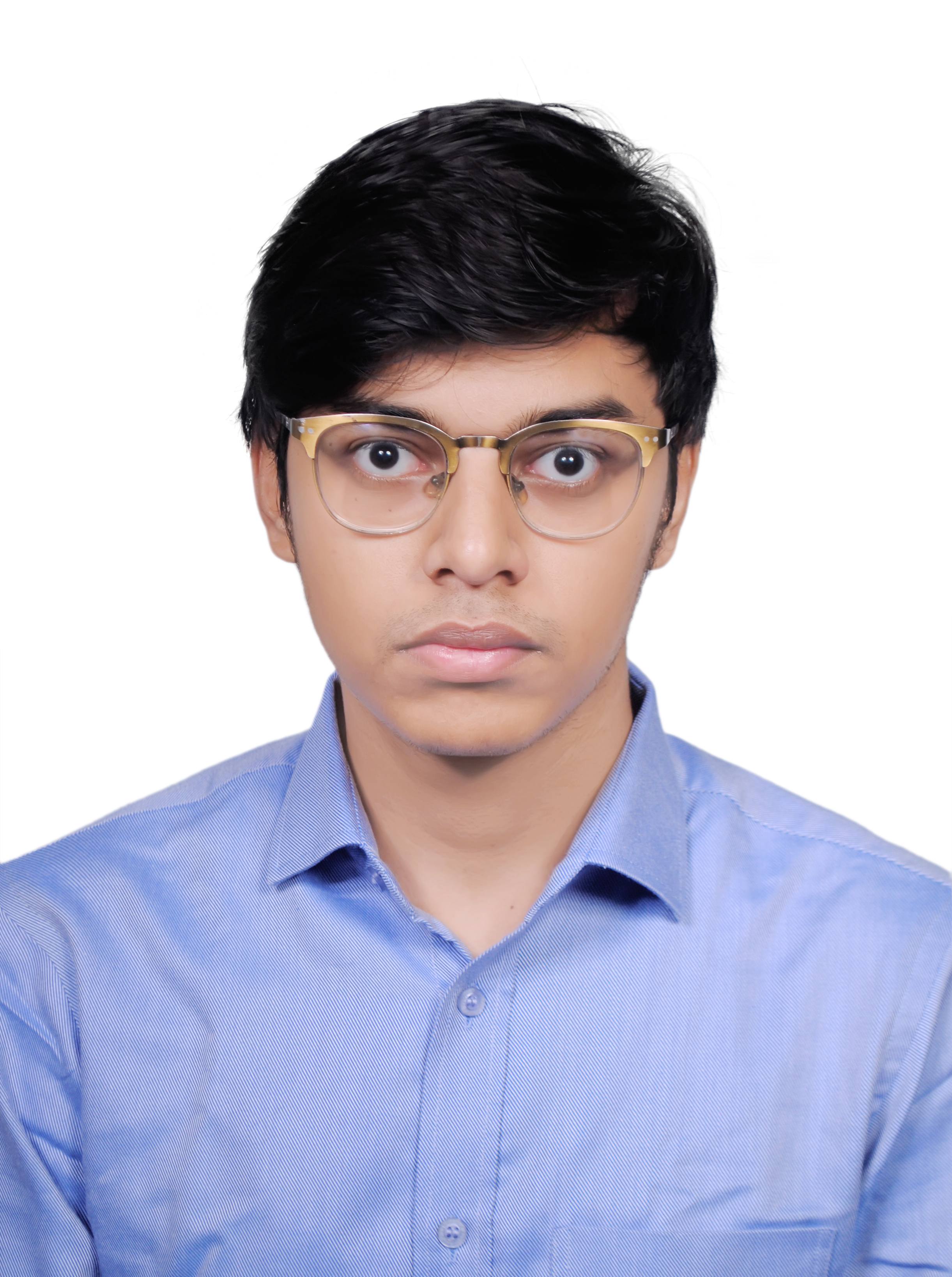
Faiaz Hasanuzzaman Rhythm photo

Faiaz Hasanuzzaman Rhythm

Military Institute of Science and Technology
Faiaz Hasanuzzaman Rhythm is an undergraduate researcher in the Department of EECE at MIST, Bangladesh, specializing in deep learning, computer vision, and medical image segmentation. His works—UAPNet, DoubleUNet++, and MAGnet—explore attention mechanisms and multiscale feature learning for improved segmentation. He has presented at ECCE, ICAEEE, QPAIN, and TEHI. His thesis, “Advancing Stacked U-Nets with Cross-Stage Attention for Precise Road Mapping in Remote Sensing,” advances encoder–decoder architectures for remote sensing. As Chair of IEEE MIST SB and Ambassador for IEEE Bangladesh Section, he unites research and leadership to drive innovation in intelligent vision systems.

Alumni

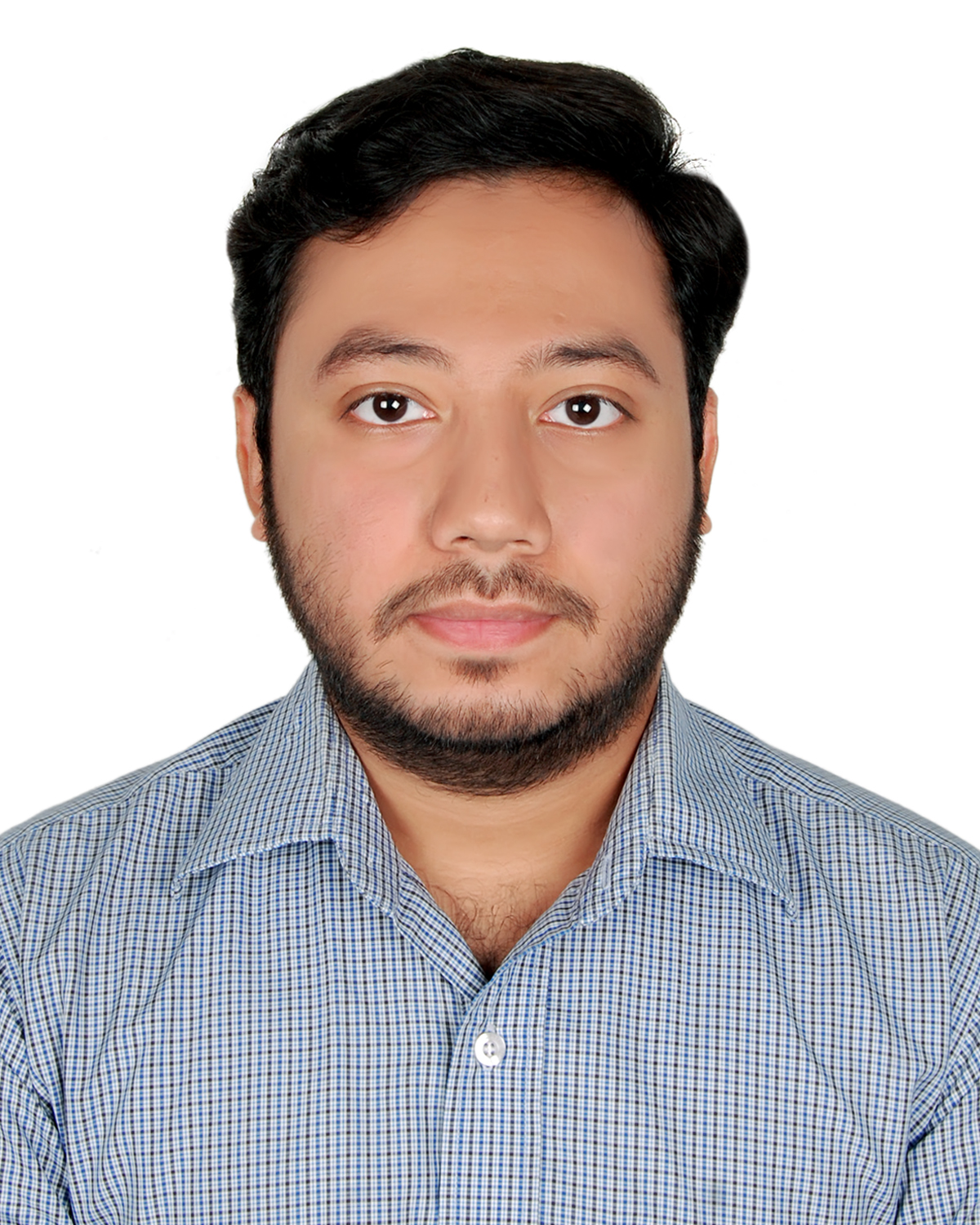
Md Tanjil Islam Aronno photo

Md Tanjil Islam Aronno

Military Institute of Science and Technology
I am a Lecturer in Electrical, Electronic, and Communication Engineering at the Military Institute of Science and Technology (MIST), with research interests centered on machine learning (ML) and deep learning (DL) applications in the field of visual and multimodal speech recognition, clinical speech anomaly detection and smart grid physical domain attack identification.

My primary research contribution is the development of LipBengal, the first Bengali visual speech recognition (VSR) dataset designed to address the lack of resources for low-resource languages. This work involved large-scale data collection, manual annotation, and structured dataset design using Python, OpenCV, and MediaPipe. Building on this dataset, I developed a CNN–BiLSTM model with CTC loss for visual-only speech recognition, achieving an accuracy of 84.6%. This work has been published in a Q2 journal (Elsevier Data in Brief).

Beyond speech research, I have co-authored IEEE conference papers in smart grid electricity theft detection and grid stability analysis, where I applied RNN-based feature extraction and optimized ensemble machine learning models. These experiences reflect my broader interest in data-driven modeling of complex cyber-physical systems.

I am currently pursuing an M.Sc. in Electrical Engineering, where I have focused on digital speech processing, clinical speech anomalies, and multimodal learning. My recent work includes fine-tuning Whisper-based models for Bengali and extending LipBengal toward audio-visual speech recognition (AVSR).

My long-term goal is to pursue doctoral research and an academic career, contributing to the development of ML/DL frameworks to be applied in the domains of VSR, AVSR or smart grid theft and attack identification which may lead to addressing problems which have national and social impacts.